Coaching has become a powerful profession, helping individuals and businesses achieve personal and professional growth. In Japan, the demand for certified coaches is rising as more organizations and individuals recognize the value of structured coaching. If you are considering becoming a coach, one of the most important steps is obtaining an International Coaching Certificate. But what exactly is an International Coaching Certification, and why is it important? In this blog, we will explore what it entails, why it matters in Japan’s coaching industry, and how you can obtain one.
Understanding International Coaching Certification
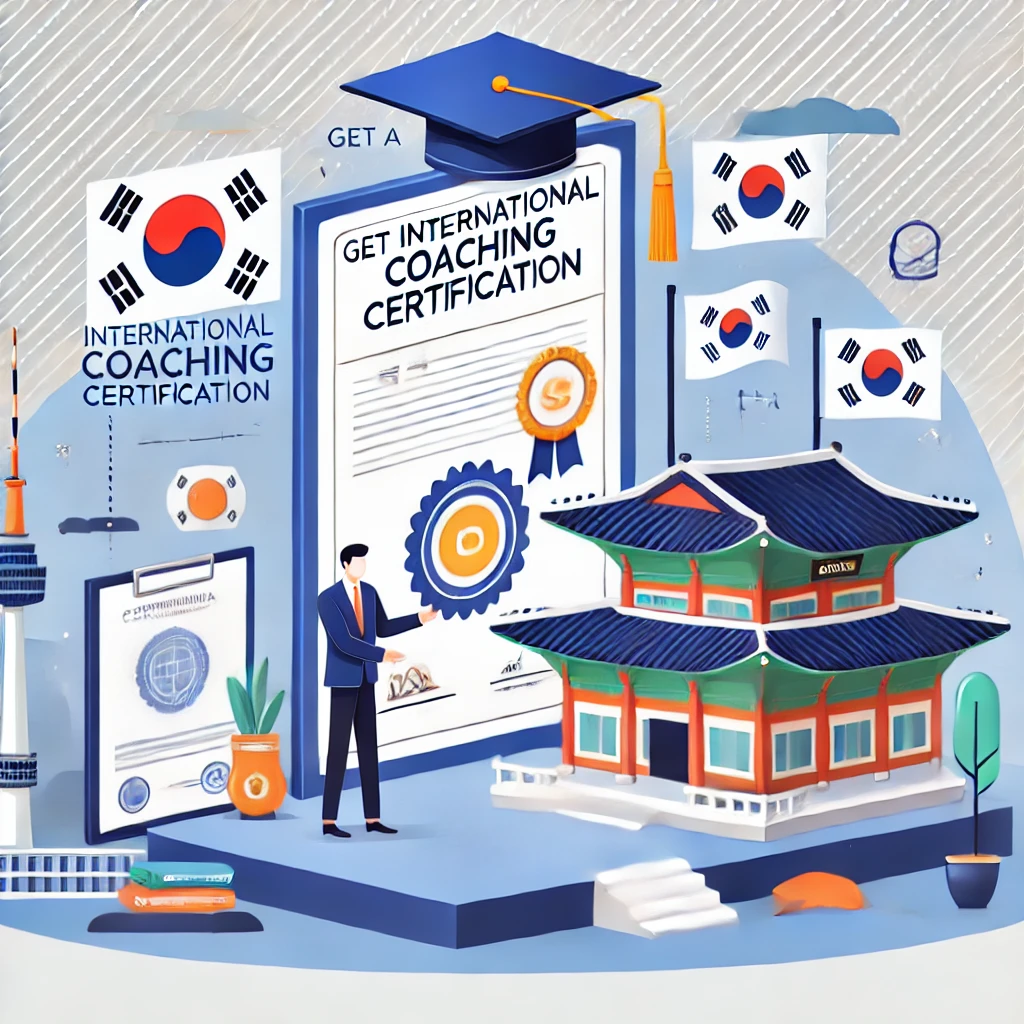
An International Coaching Certification is a globally recognized qualification that validates a coach’s skills, ethical standards, and professional expertise. It ensures that a coach is trained according to internationally accepted methodologies and best practices. Unlike informal coaching, certified coaches follow structured techniques, ethical guidelines, and proven coaching frameworks. These certifications are issued by globally recognized organizations, ensuring consistency in coaching quality.
Why is an International Coaching Certificate Important in Japan?
The coaching industry in Japan is growing rapidly, with increasing interest from corporate leaders, entrepreneurs, and individuals seeking personal development. Here’s why obtaining an International Coaching Certification is important:
- Builds Credibility and Trust
In a professional culture like Japan’s, credibility is key. A certification from a globally recognized body demonstrates that you have undergone professional training and adhere to ethical coaching practices. Clients and companies are more likely to trust and hire certified coaches.
- Expands Career Opportunities
Many multinational companies and corporate clients in Japan prefer working with internationally certified coaches. Having an International Coaching Certificate increases your chances of securing high paying clients and corporate contracts.
- Aligns with Global Coaching Standards
Japan’s business culture is deeply rooted in discipline and continuous learning. A globally recognized coaching certification ensures that your coaching techniques meet international standards, making your services competitive in both local and global markets.
- Improves Coaching Skills and Effectiveness
Certification programs provide structured training, covering essential coaching methodologies, active listening, goal setting, and psychological principles. This makes you a more effective coach, capable of delivering measurable results to clients.
Types of International Coaching Certifications
There are several globally recognized coaching certifications available, each offering different levels of accreditation and specialization. Some of the most respected ones include:
- International Coaching Federation (ICF) Certification
The ICF Coaching Certification is one of the most recognized credentials worldwide. It offers three levels:
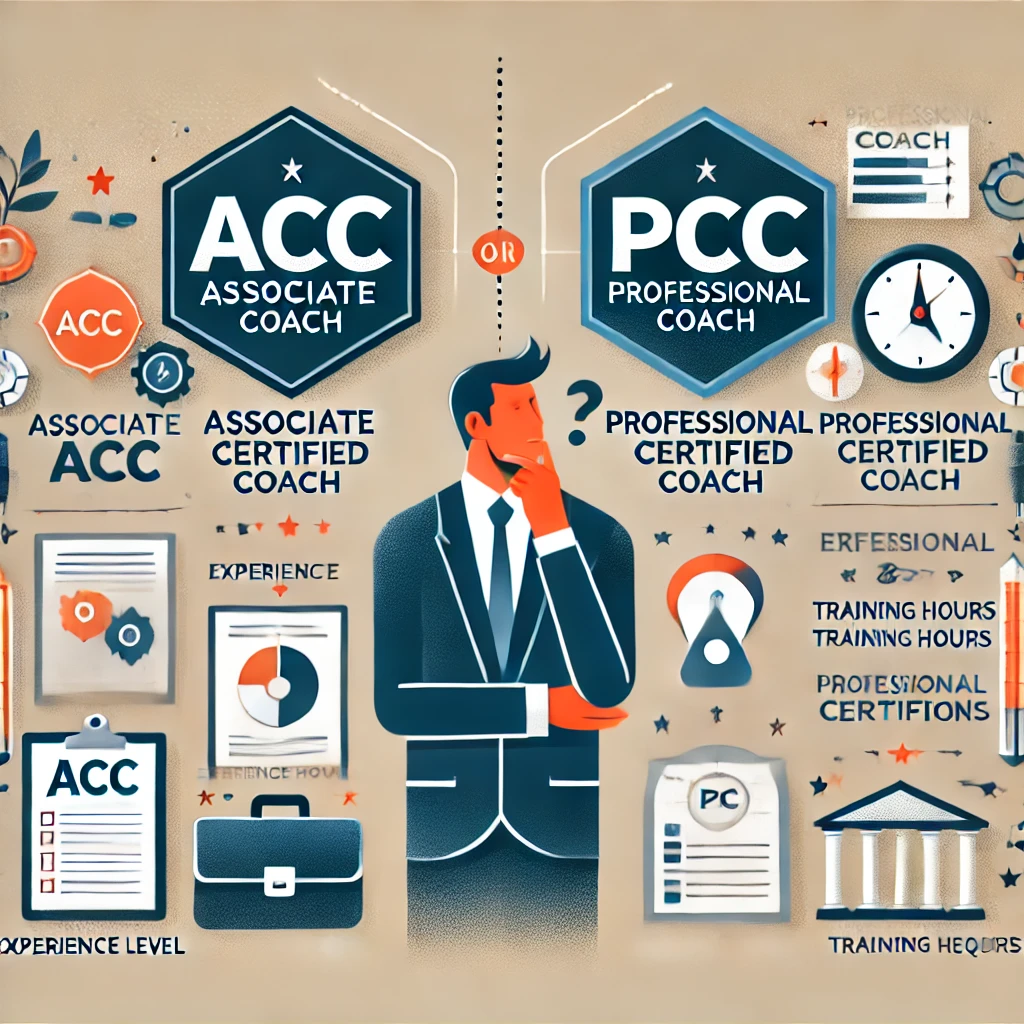
- Associate Certified Coach (ACC) Entry level certification
- Professional Certified Coach (PCC) Intermediate level certification
- Master Certified Coach (MCC) Advanced certification
ICF accreditation is widely accepted in Japan’s corporate sector, making it a valuable credential for aspiring coaches.
- Center for Credentialing & Education (CCE), Board Certified Coach (BCC)
The BCC certification is ideal for professionals who already have experience in psychology, counseling, or business coaching. It focuses on advanced coaching techniques and ethics.
- European Mentoring and Coaching Council (EMCC) Certification
This certification follows European coaching standards but is internationally recognized. It is a strong choice for coaches looking to work with multinational corporations.
- Co Active Training Institute (CTI), CPCC Certification
CTI’s Certified Professional Co-Active Coach (CPCC) program is designed for those who want a deep, transformative coaching methodology. It is widely respected in leadership coaching.
- International Association of Coaching (IAC) Certification
The IAC certification is based on coaching mastery rather than training hours, making it suitable for experienced professionals who can demonstrate their skills.
How to Obtain an International Coaching Certificate in Japan
If you want to earn an International Coaching Certificate in Japan, follow these steps:
Step 1: Choose the Right Certification
Select a certification that aligns with your coaching goals. If you want to work with corporate clients, ICF certification is highly recommended. If you are interested in life coaching, a CTI or IAC certification might be a better fit.
Step 2: Enroll in a Coaching Training Program
Most certifications require completion of an accredited training program. Many coaching institutions offer in-person and online training options in Japan. Look for ICF accredited coaching programs in cities like Tokyo, Osaka, and Kyoto.
Step 3: Complete the Required Training Hours
Each certification requires a certain number of training hours. For example:
- ICF ACC requires 60+ hours of training
- ICF PCC requires 125+ hours of training
- ICF MCC requires 200+ hours of training
Step 4: Gain Coaching Experience
Most certification programs require real world coaching experience. This includes coaching clients and receiving feedback from mentors. Some programs require 100+ hours of coaching practice before certification.
Step 5: Pass the Certification Exam
After completing training and coaching hours, you must pass a certification exam. This tests your understanding of coaching principles, ethics, and practical coaching skills.
Step 6: Maintain Your Certification
Many certifications require continuous education and renewal. For example, ICF certifications need renewal every three years, ensuring that coaches stay updated with industry developments.
Cost of International Coaching Certification in Japan
The cost of an International Coaching Certificate varies based on the program and certification level. Below is an estimate of common costs:
- ICF ACC: ¥500,000 – ¥800,000 ($3,500 – $6,000 USD)
- ICF PCC: ¥800,000 – ¥1,500,000 ($6,000 – $11,000 USD)
- ICF MCC: ¥1,500,000+ ($11,000+ USD)
- CPCC (CTI Certification): ¥700,000 – ¥1,200,000 ($5,000 – $9,000 USD)
- IAC Certification: ¥300,000 – ¥600,000 ($2,000 – $4,500 USD)
Many training programs offer payment plans or corporate sponsorships to help with costs.
Career Opportunities After Certification
With an International Coaching Certificate, you can explore various career opportunities in Japan, including:
- Corporate Coaching
Many Japanese companies are investing in executive and leadership coaching to improve workplace performance and employee well-being. Certified coaches can work with corporate clients or HR departments.
- Personal Development Coaching
Life coaching is gaining popularity in Japan. Certified life coaches can help clients with career growth, stress management, and personal fulfillment.
- Business Coaching
Entrepreneurs and small business owners seek professional coaches to improve decision-making and business strategies. Business coaching is a lucrative field, especially for certified professionals.
- Online Coaching Business
With the rise of virtual coaching, certified coaches in Japan can offer online coaching programs to clients worldwide, expanding their reach and income potential.
An International Coaching Certificate is necessary for anyone serious about building a professional coaching career in Japan. It provides credibility, enhances skills, and opens doors to high-paying opportunities. If you’re looking to start or grow your coaching career, investing in a globally recognized certification is a strategic move. It allows you to make a meaningful impact on clients and organizations.
Are you ready to take the next step in your coaching journey? Start exploring accredited programs today!

Empower yourself to shine brightly as an introverted expat, and let's make this experience a truly enriching one!
 | Powered By